
Medical spas continue to look for treatments that deliver real wellness results while keeping operations simple and profitable. Hydrogen therapy has gained significant attention in the wellness field due to its potential to support recovery, reduce stress, and enhance cellular function.
This article explains what this therapy is, why it fits medical spa settings, and how it can increase client retention and revenue without adding complicated equipment or heavy staffing needs.
What Is Hydrogen Therapy?
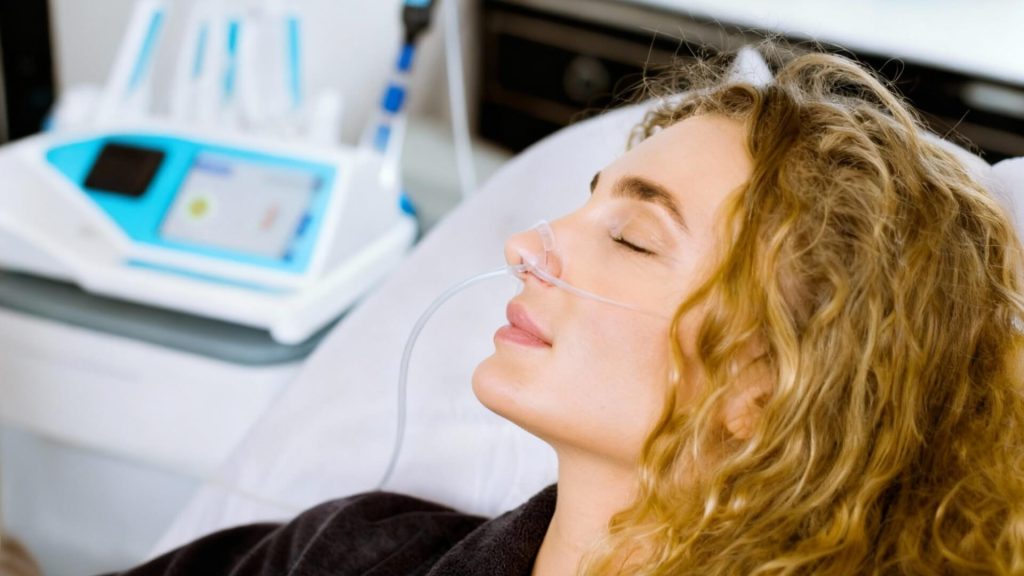
Hydrogen therapy involves inhaling purified molecular hydrogen gas through a nasal cannula or mask. The gas enters the lungs and bloodstream, where it interacts with harmful free radicals that contribute to inflammation and fatigue. Research suggests it may act as an antioxidant, helping the body manage oxidative stress that can slow recuperation and impact daily function.
Many wellness centers use hydrogen inhalation sessions to help clients feel more energized, calmer, and mentally clear. The process is passive, quiet, and suitable for customers who prefer non-invasive treatments. Sessions usually last 30 to 60 minutes and can be offered alone or alongside other services such as red light therapy, IV hydration, or relaxation-based treatments.
Why Medical Spas Are Adopting Hydrogen Therapy
Medical spa clients often seek treatments that help them recover faster, feel refreshed, and maintain wellness between more intensive procedures. Hydrogen therapy fits these goals easily. Individuals dealing with stress, fatigue, soreness, or sluggish recovery from physical activity often report benefits after repeat sessions.
Many providers see people returning multiple times per week due to the simple experience and noticeable effects. A treatment that encourages frequent visits can help medical spas strengthen client loyalty and steady traffic. It requires minimal staff oversight, quick setup, and a calm environment. This makes it easier to integrate into the daily flow of a medical spa without slowing down higher-touch services such as facials or body treatments.
Revenue Potential for Medical Spas
Medical spas often seek treatments that deliver strong results at low supply costs. This therapy offers a low-cost service model with strong earning potential. Many centers charge between $40 and $85 for inhalation sessions. Clients often schedule regular appointments due to the treatment’s relaxing nature and their desire to maintain results.
For example, 18 clients attending 12 sessions each month at $50 per session can bring in $10,800 monthly. This level of income helps stabilize revenue while increasing perceived value for memberships. Offering packages, memberships, or bundled services can further strengthen adoption. A customer who visits for injectables or body contouring may choose to add this therapy for faster recovery or stress relief, giving your spa additional earning opportunities with little added labor.

Ease of Integration Into Existing Services
Many medical spa owners hesitate to introduce new treatments due to training requirements or complicated machines. At Innergy Dev, our systems, like the INNER Breath Hydrogen gas inhalation machine, are designed to be easy to operate, with clean controls and fast setup. Staff members can learn the process quickly, and clients can begin sessions with minimal guidance.
The equipment requires light maintenance and fits well within quiet relaxation rooms or areas used for passive treatments. The calm experience creates a positive environment for clients who want a break from busy daily routines, which can increase satisfaction and repeat visits.
Hydrogen therapy also pairs well with existing treatments. Clients often enjoy a session before or after services that focus on detoxification, skin rejuvenation, or recovery, creating a smooth flow within the appointment schedule.
Client Experience and Wellness Integration
Clients value wellness services that feel relaxing and worthwhile. This treatment provides a calm session where individuals can rest, read, or listen to music while the device runs. The passive nature of the experience makes it easy for customers to return regularly and helps them feel supported in their wellness routines.
Many medical spas combine this inhalation service with massages, facials, or post-procedure recovery sessions. Doing so increases perceived value and helps clients feel that their visit provides full-body benefits. The flexibility and comfort of this therapy make it a strong addition to any wellness menu.
Final Thoughts from Innergy Dev
Hydrogen therapy has become an appealing service for medical spas due to its relaxing experience, simple operation, and strong revenue potential. It aligns with growing demand for treatments that help reduce oxidative stress, improve energy levels, and promote cellular function without invasive steps or long recovery periods.
At Innergy Dev, we work with wellness centers looking to integrate hydrogen inhalation machines successfully. Our team provides guidance on implementation, training, and marketing strategies that help providers offer this service with confidence. We remain focused on helping businesses deliver high-quality hydrogen therapy experiences that clients value and repeat.