
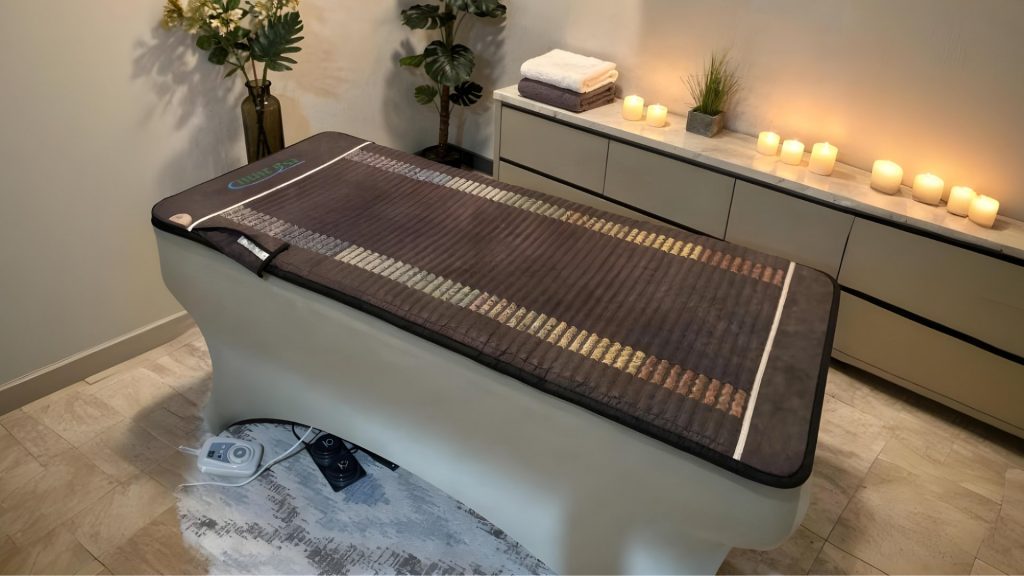
Pulsed electromagnetic field therapy continues to gain attention across medical spas and wellness practices. As interest grows, so does the responsibility to understand safety considerations before offering or recommending this modality.
This article explains how PEMF therapy works, who may benefit from it, who should approach it with caution, and what wellness providers should evaluate before integrating it into their services.
What PEMF Therapy Is and How It Works
PEMF therapy uses low-frequency electromagnetic fields designed to interact with the body at a cellular level. These fields are delivered through mats, pads, or localized applicators and are intended to stimulate natural electrical activity within cells. All cells rely on electrical signals to manage processes such as nutrient exchange, waste removal, and energy production. These devices aim to reinforce these signals using controlled pulses.
In wellness settings, pulsed electromagnetic field therapy is commonly positioned as a non-invasive modality that promotes relaxation, circulation, and general recovery. Devices vary widely in intensity, frequency ranges, coil design, and session length, particularly when delivered through full-body PEMF mats. These design factors influence how electromagnetic fields travel across the body and play a key role in safety outcomes, especially for clients with underlying conditions or implanted medical devices.
General Safety Profile of PEMF Therapy
PEMF therapy is widely considered low risk when used as intended and within manufacturer guidelines, while also offering potential benefits such as relaxation, enhanced circulation, and general recovery support in wellness settings. Most modern systems operate at frequencies and intensities far below levels known to cause tissue damage or harmful heating. Reported side effects tend to be mild and temporary, including lightheadedness, fatigue, headaches, or a sensation of warmth.
For wellness businesses, this safety profile makes it an appealing session-based offering that requires minimal physical strain on the client. That said, low risk does not mean universal suitability. Understanding the boundaries of safe use remains essential for providers who wish to offer this therapy responsibly.
Who PEMF Therapy May Not Be Suitable For
PEMF therapy is generally safe for most people, but certain individuals should avoid it or consult with a healthcare provider before use due to potential risks or contraindications. This includes:
- People with pacemakers, implanted defibrillators, or other electronic medical devices, as electromagnetic fields may interfere with their function
- Pregnant women, due to limited research on the effects of PEMF on fetal development
- Individuals with epilepsy or seizure disorders, as electromagnetic stimulation may potentially trigger seizures
- People with active bleeding or hemorrhaging, since PEMF may affect blood flow and clotting
- Those with organ transplants, as the immune system stimulation could potentially affect transplant acceptance
- Individuals with hyperthyroidism or other overactive glandular conditions that could be overstimulated
- People with active infections or fever, as increased circulation might spread the infection
- Those with certain cancers, particularly without medical supervision, due to concerns about stimulating cell growth
- Individuals taking blood thinners or with clotting disorders, as PEMF may influence circulation and bleeding risk
Clear intake protocols and informed consent help reduce risk while reinforcing professional standards within a med spa or wellness clinic.

Temporary Reactions and What Clients May Experience
Even healthy individuals may notice short-term reactions during or after PEMF sessions. These responses often reflect changes in circulation or nervous system activity. Fatigue, mental fog, or mild discomfort may appear early, especially for first-time users or longer sessions.
These reactions typically resolve without intervention. Gradual session progression allows the body to adapt while lowering the chance of discomfort. For business owners, educating clients about realistic expectations improves satisfaction and reduces confusion around normal physiological responses.
Safe Use Guidelines for Wellness Providers
Safety begins with equipment selection and staff education. Devices should meet quality manufacturing standards, provide adjustable settings, and include clear usage guidelines. Providers benefit from understanding frequency ranges, session timing, and contraindications specific to each system.
Client screening remains a core responsibility. Intake forms should ask about medical implants, pregnancy status, neurological history, and cardiovascular conditions. Staff training should emphasize when to decline a session or recommend medical clearance.
Session design also matters. Shorter sessions at lower intensities allow clients to assess tolerance. Clear communication during sessions encourages feedback and builds trust within a professional environment.
Evaluating PEMF Therapy as a Business Offering
For medical spa owners and wellness entrepreneurs, PEMF therapy represents both opportunity and responsibility. Its non-invasive nature and broad appeal make it easy to integrate into recovery lounges, relaxation suites, or as an add-on service. Safety awareness protects clients and preserves business credibility.
Offering PEMF therapy should focus on general wellness enhancement rather than medical treatment claims. Clear language, transparent education, and adherence to ethical standards strengthen long-term viability within the wellness market.
Final Thoughts from Innergy Dev
PEMF therapy presents a strong safety profile for many adults when used thoughtfully and within proper guidelines. It offers a low-impact option for wellness environments seeking technology-driven services while maintaining client comfort and operational efficiency.
At Innergy Dev, we approach advanced technology education and equipment design with a focus on responsible application and provider awareness. We manufacture our PEMF Infinity Mat for professional wellness environments, drawing from hands-on experience working alongside providers to address safety considerations and real-world operational needs.