

Hyperbaric oxygen therapy has gained attention across medical spas, wellness clinics, and integrative practices. Many providers exploring this service want a clear answer to one question: Can insurance be billed for hyperbaric oxygen therapy?
This article explains how insurance coverage works, which conditions qualify, and why most wellness-based programs fall outside reimbursement rules.
Understanding HBOT and How Insurance Views It
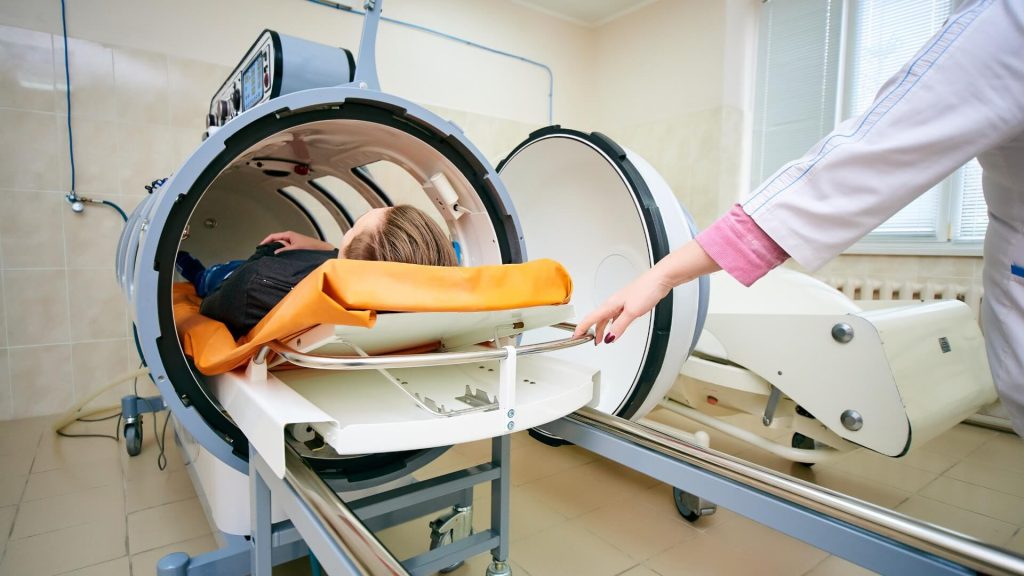
Hyperbaric oxygen therapy (HBOT) refers to breathing pure oxygen inside a pressurized chamber. Increased atmospheric pressure allows oxygen to dissolve more readily into blood plasma, raising oxygen availability at the tissue level.
Insurance carriers view this form of therapy as a medical intervention rather than a general wellness service. Coverage decisions center on medical use. Payers assess whether HBOT addresses a recognized diagnosis through established clinical protocols. Documentation must demonstrate medical necessity, accurate diagnosis coding, and delivery within an approved clinical setting.
Most insurance plans follow coverage criteria established through the Centers for Medicare & Medicaid Services, with many private insurers adopting similar standards. When therapy sessions fall outside these definitions, reimbursement does not apply, and services shift to self-pay. This distinction is critical for wellness providers evaluating hyperbaric systems as a service offering. Equipment alone does not establish eligibility for billing. Reimbursement depends on the clinical purpose, treatment setting, and regulatory classification of the therapy.
Conditions Insurance May Approve for HBOT
Insurance coverage applies only when hyperbaric oxygen therapy treats conditions recognized as approved indications. Common examples include diabetic foot ulcers meeting severity criteria, radiation tissue damage, non-healing wounds, osteomyelitis, carbon monoxide poisoning, and decompression sickness.
Each approved condition requires precise documentation. Insurers require proof that standard medical treatment failed before hyperbaric therapy is included in the care plan. Claims submitted without meeting these clinical thresholds are denied. Wellness goals such as anti-aging, cognitive enhancement, athletic recovery, or general fatigue do not qualify under insurance policies.
Why Most Medical Spas Cannot Bill Insurance
Most medical spas operate outside traditional billing networks. HBOT offered in these settings typically focuses on wellness outcomes rather than disease treatment, which places these services outside standard reimbursement criteria.
Licensing and credentialing also affect billing eligibility. Reimbursement through insurance generally requires physician oversight, use of accredited facilities, and adherence to hospital-grade protocols. Many wellness centers choose a cash-pay model to avoid administrative burden and claim rejection. This approach aligns better with consumer-driven services common in spa environments.
Coding, Documentation, and Reimbursement Challenges
Insurance billing for hyperbaric oxygen therapy involves complex coding rules that leave little room for error. Providers must apply specific CPT codes tied to each treatment session and pair them with ICD diagnosis codes that match approved indications. Even small discrepancies between documentation and coding often result in claim denial.
Clinical records must clearly document treatment frequency, pressure levels, session duration, and measurable clinical progress. Insurers review charts closely to confirm that therapy follows approved protocols. Audits remain common due to the high cost of hyperbaric care. Without dedicated billing staff, physician oversight, and consistent documentation practices, reimbursement efforts frequently require more time and resources than many providers anticipate.
Cash-Pay Models and Transparent Pricing Strategies
Since insurance rarely applies, most wellness providers rely on private pay arrangements. Clear pricing helps clients understand costs upfront. Package rates, session bundles, and membership options often improve client retention without insurance involvement.
Transparent communication matters. Clients should understand that hyperbaric oxygen therapy offered in wellness settings focuses on performance and recovery rather than disease treatment. This distinction protects providers from billing disputes and regulatory concerns while setting accurate expectations.
Choosing the Right Hyperbaric Technology for Your Business
For those seeking to offer hyperbaric experiences within wellness environments. At Innergy Dev, we’ve produced the Hyper-Cube hyperbaric therapy system designed for med spas and integrative practices, built to deliver controlled, non-medical sessions in professional settings.
Providers planning to add hyperbaric oxygen therapy should evaluate goals early. If the business aims to treat medical conditions eligible for insurance, partnerships with physicians and accredited facilities become essential. This path requires investment in compliance, staffing, and documentation systems.
If the focus remains wellness-based, a private-pay model offers operational flexibility. Marketing, pricing, and client education then align with consumer wellness rather than insurance rules. Understanding this separation helps avoid costly missteps during service expansion.
Final Thoughts from Innergy Dev
Insurance billing for hyperbaric oxygen therapy remains limited to narrow medical indications under strict clinical rules. Most medical spas and wellness clinics operate outside these boundaries, making private pay the practical option. Clear knowledge of coverage limits protects providers from denied claims and regulatory risk.
At Innergy Dev, we manufacture hyperbaric therapy systems and work with wellness businesses on service selection, operational planning, and regulatory awareness. Our experience developing advanced wellness technologies informs practical guidance aligned with current reimbursement frameworks and industry expectations. This approach helps providers make sound decisions without unnecessary complexity.