
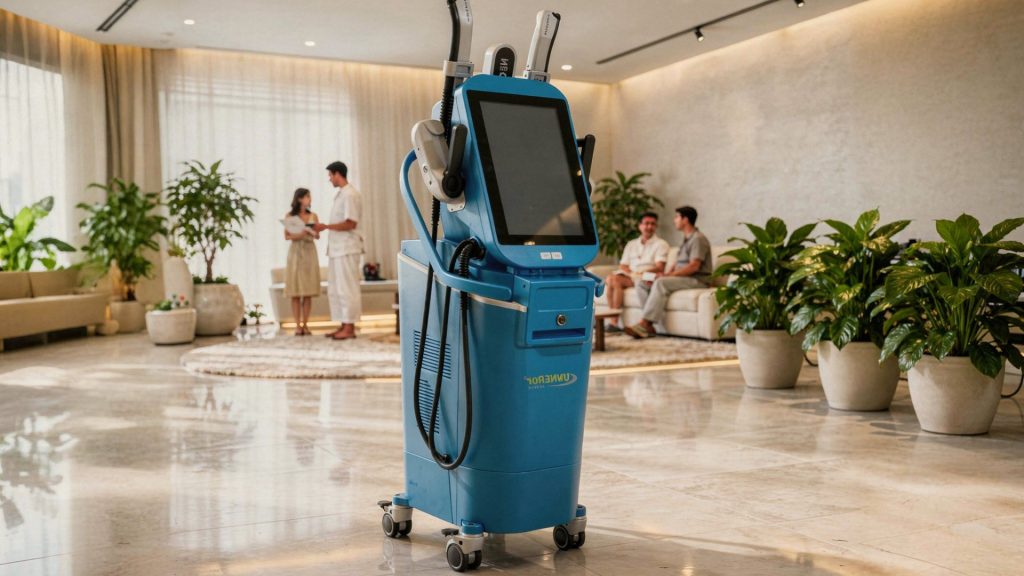
Body sculpting treatments have surged in popularity, with non-invasive options growing yearly as clients seek fat reduction and toning without surgery. Machines like INNERGY Dev’s INNERSlim make these services accessible for wellness pros.
In this article, we clarify licensing needs across locations and share steps to operate confidently.
Understanding Body Sculpting and Regulations
Body sculpting involves non-invasive methods such as electromagnetic stimulation or cooling to trim fat and build muscle, distinct from surgical procedures like liposuction. Devices fall under FDA Class II oversight, meaning they require safety clearance but no special federal operator license. This setup protects clients while allowing trained pros to offer services. Understanding these basics helps you choose compliant equipment from us at INNERGY Dev, such as the INNERSlim Body Sculpt Machine, which supports your wellness goals.
Regulations aim to ensure safe use, preventing issues like improper settings that could cause discomfort. Liability insurance often demands proof of training, tying into business success. Clinics thrive by prioritizing these standards from day one. Always pair machine purchases with vendor guidance to ensure smooth integration.
Licensing Requirements by Location
In the United States, rules vary widely by state, with places like California and New York classifying energy-based sculpting as medical, requiring physician oversight or an MD license. Texas and Arizona allow licensed estheticians to handle non-invasive tech after manufacturer training. States like Idaho maintain a lighter touch, needing just a general business license. Check your state cosmetology board for specifics to stay compliant.
In Canada, licensing requirements mirror those in the U.S. These location-based rules reflect local health priorities. Research early to match your setup with legal expectations.
Certifications and Training Needed
Manufacturer-Provided Training
Most EMS equipment manufacturers offer foundational training, typically 1-2 days in-person or virtual, covering device operation, client screening, session protocols, and troubleshooting. For example, providers like INNERGY Dev include free onboarding with purchases, ensuring safe use of electrical muscle stimulation for sculpting without injury risk. This kind of training emphasizes contraindications such as pacemakers or pregnancy, proper electrode placement, and session duration (20-30 minutes). Documented completion satisfies basic compliance and boosts staff confidence.
Required Professional Licenses
A cosmetology or esthetician license—requiring 1,000-1,600 hours of state-approved schooling, depending on location—remains essential in most U.S. states for non-invasive body contouring services. These programs cover anatomy, skin science, sanitation, and client safety, positioning EMS as an extension of esthetic sculpting. Fitness centers may suffice with personal trainer credentials, but spas need the full license to avoid fines. Verify state board rules via NASAL or equivalent.
Fitness and Specialized Certifications
NASM Certified Personal Trainer (CPT) or equivalent adds fitness authority and is ideal for athletic clients seeking muscle toning via EMS. For advanced contouring, voluntary certifications shine: NCEA Advanced Esthetics (200+ hours) teaches HIFEM integration, while ABLS Body Contouring Certification focuses on EMS protocols for fat reduction and hypertrophy. Online platforms like EMS Academy deliver 20-hour modules on quick routines, complete with quizzes and CEUs.
Business and Insurance Essentials
Form an LLC for liability protection, then secure general liability insurance ($1M+ coverage) explicitly naming EMS devices—quotes average $1,500/year for low-risk setups. Product liability covers equipment failures. Annual policy audits and vendor certificates reduce premiums. Layer these with HIPAA-compliant intake forms and signed waivers detailing risks like muscle soreness.
Risks of Operating Without Proper Credentials
Skipping credentials invites fines from $1,000 to as high as $50,000, potential shutdowns, or even lawsuits if a client experiences redness from mishandled RF. Insurance policies frequently deny claims for lack of documented training, exposing you to personal financial risk in the millions. Poor technique might lead to suboptimal results or rare overstimulation. Compliance shields your passion and investment.
Real stories highlight shutdowns in strict states for unlicensed energy use, eroding hard-earned reputations. Clients expect safety, and lapses damage word-of-mouth growth. Proactive steps prevent these setbacks. Focus on education to foster a thriving practice.
Steps to Get Licensed and Start Legally
- Visit your state board’s website to identify exact requirements, such as aesthetician licensing hours.
- Enroll in an approved program to fill gaps, completing in 6-12 months for entry-level certification.
- Purchase FDA-compliant machines with training, like our INNERSlim body sculpting device for non-invasive toning.
- Obtain tailored insurance quotes covering body sculpting liabilities.
- Finalize setup with LLC formation, client consent forms, and marketing emphasizing your certifications.
- Test protocols on volunteers, refine based on feedback, and soft-launch to collect testimonials.
- Leverage compliance as a key competitive advantage.
Final Thoughts from INNERGY Dev
The world of body sculpting starts with understanding your local licensing landscape, which empowers you to offer safe, effective services that clients love. Whether you pursue esthetician credentials, manufacturer training for devices, or business essentials, each step builds a foundation of trust and growth. As 2026 brings more demand for non-invasive toning, certified professionals stand out with confident results and loyal followings. Embrace these guidelines to turn your passion into a thriving, worry-free practice.
At INNERGY Dev, we recommend that our products, including the INNERSlim Body Sculpt Machine, be operated by licensed aestheticians to ensure safe, professional delivery of muscle-toning and fat-reduction sessions. Our comprehensive training supports these qualified practitioners through setup, compliance guidance, and protocol mastery. This approach equips wellness centers to confidently meet client demands while prioritizing results and safety. Partner with us to elevate your services seamlessly.