
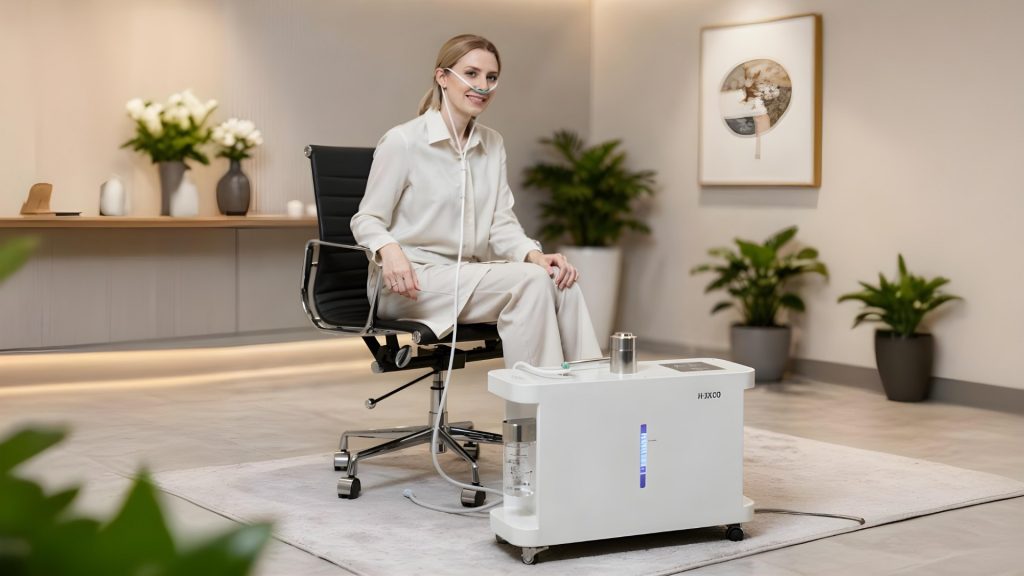
Hydrogen therapy has gained popularity in wellness centers for its antioxidant effects, achieved through inhalation or baths. Introducing it requires specific insurance to cover liabilities related to flammable gases and potential client interactions.
In this article, key coverage types, regulatory needs, and risk mitigation steps are outlined to help centers operate safely and sustainably without financial vulnerabilities.
What is Hydrogen Therapy?
Hydrogen therapy involves administering molecular hydrogen (H2) gas through inhalers, infused water, or baths to act as a selective antioxidant, neutralizing harmful free radicals while leaving beneficial ones intact. This process supports reduced inflammation, faster athletic recovery, improved energy levels, and management of oxidative stress-related issues like chronic fatigue or post-exercise soreness.
Classified as a non-medical wellness modality rather than an FDA-approved treatment, it relies on over-the-counter devices with purity levels exceeding 99.99%, requiring centers to position it accurately for insurance alignment and avoid mislabeling as clinical care.
Liability Insurance Essentials
General liability insurance provides core protection for med spas and wellness centers, covering client injuries such as slips in therapy areas or adverse reactions to hydrogen exposure during sessions. Product liability extends this to equipment failures, like malfunctioning generators or masks that could cause respiratory discomfort or leaks.
Professional liability, or errors and omissions (E&O) coverage, safeguards against negligence claims, including improper session administration that leads to dizziness or allergic reactions, with experts recommending at least $1 million per occurrence and $2-3 million aggregate limits tailored to client volume.
Property and Equipment Coverage
Wellness centers must ensure hydrogen generators, hydrogen inhalation systems, and related fixtures against risks like fire (given H2’s high flammability), theft, or mechanical breakdowns. Business interruption insurance is crucial to cover lost revenue, fixed expenses like rent and payroll, and relocation costs during downtime from equipment failures, gas leaks, or facility closures following incidents like power surges or regulatory inspections.
Inland marine policies are essential for portable units transported to off-site events, pop-up clinics, or satellite locations, providing all-risk coverage for assets typically valued from $10,000 for basic setups to $100,000+ for advanced multi-station systems, often with add-ons for flood, earthquake, or cyber vulnerabilities affecting digital controls.
Worker Compensation and Staff Policies
Worker compensation insurance remains mandatory across most U.S. states, protecting employees from injuries related to gas handling, equipment maintenance, or exposure during demonstrations. Employers must maintain detailed incident logs, safety data sheets for hydrogen (a flammable gas), and compliance with OSHA standards on hazardous materials to avoid claim denials or rate hikes.
Directors and officers (D&O) insurance shields leadership from personal liability in lawsuits claiming negligence, such as failing to provide adequate safety training on hydrogen purity levels, leak detection protocols, or emergency shutdown procedures, or mismanaging risks like improper ventilation in therapy rooms.

Regulatory and Compliance Considerations
Adherence to Occupational Safety and Health Administration (OSHA) standards for safe gas handling, National Fire Protection Association NFPA 2 codes for H2 storage and ventilation, and local fire marshal requirements, including explosion-proof electrical systems and H2 detectors, directly influences insurability. Although hydrogen therapy lacks medical reimbursement, cyber liability insurance addresses data risks from client scheduling or health intake apps. Centers should obtain certificates of insurance from hydrogen equipment vendors, if available, to transfer some liability upstream.
We at INNERGY Dev offer devices such as the INNER Breath Hydrogen, an H2 gas inhalation machine, and the Luma Elite hydrogen and ozone generator, both designed for wellness centers. These systems are engineered with built-in presets that include automated flow control, high-purity gas output, long-term durability, ease of use, and compliance with industry electrical standards, helping facilities maintain regulatory compliance.
Risk Management Strategies
Proactive measures like pre-session client screenings for contraindications such as pregnancy, pacemakers, or respiratory conditions can minimize claims. Essential protocols include using explosion-proof treatment rooms, routine purity testing of H2 output, capping sessions at 30-60 minutes, and installing emergency shutoff valves.
Documenting all sessions with timestamps, client vitals, and staff signatures creates a defensible record in case of disputes. Integrating digital monitoring apps for real-time H2 levels further enhances safety and demonstrates diligence to insurers. Annual insurance audits combined with staff certification training can reduce premiums by 15-25%, while affiliating with wellness industry groups unlocks discounted group policies.
Cost Estimates and Providers
Comprehensive coverage for hydrogen therapy typically ranges from $2,000 to $10,000 annually, influenced by factors like location risk, annual client sessions, and total equipment value. Insurers such as Hiscox, Travelers, or spa-specialty providers like Markel offer customizable wellness policies that bundle liability with cyber add-ons for 10-20% savings. Engaging an independent broker experienced in emerging therapies ensures competitive quotes and tailored endorsements for H2-specific perils.
Begin with a thorough risk audit of your center’s H2 setup, followed by consulting brokers for personalized quotes that integrate into operational manuals. Require signed client waivers outlining risks and benefits, maintain detailed session logs, and schedule yearly policy reviews to adapt to growth or regulatory changes. Collaborate with certified suppliers who provide equipment warranties and additional liability indemnification for enhanced protection.
Final Thoughts from INNERGY Dev
Robust insurance coverage empowers wellness centers to confidently embrace H2 therapy, mitigating the inherent risks of this innovative, flammable modality. By layering general liability, property protections, and compliance-driven strategies, operators can prioritize client safety and business growth without undue financial exposure. Proactive planning today secures tomorrow’s success in the evolving wellness landscape.
As pioneers in advanced wellness technologies, we at INNERGY Dev urge wellness centers to prioritize comprehensive insurance coverage, as outlined, to unlock hydrogen’s antioxidant benefits safely. Our expert onboarding, training programs, and compliant equipment, like the INNER Breath Hydrogen and Luma Elite, ensure seamless integration, minimizing liabilities while maximizing client outcomes in recovery and vitality, fortifying your wellness programs with insured, innovative therapies for sustainable growth.