
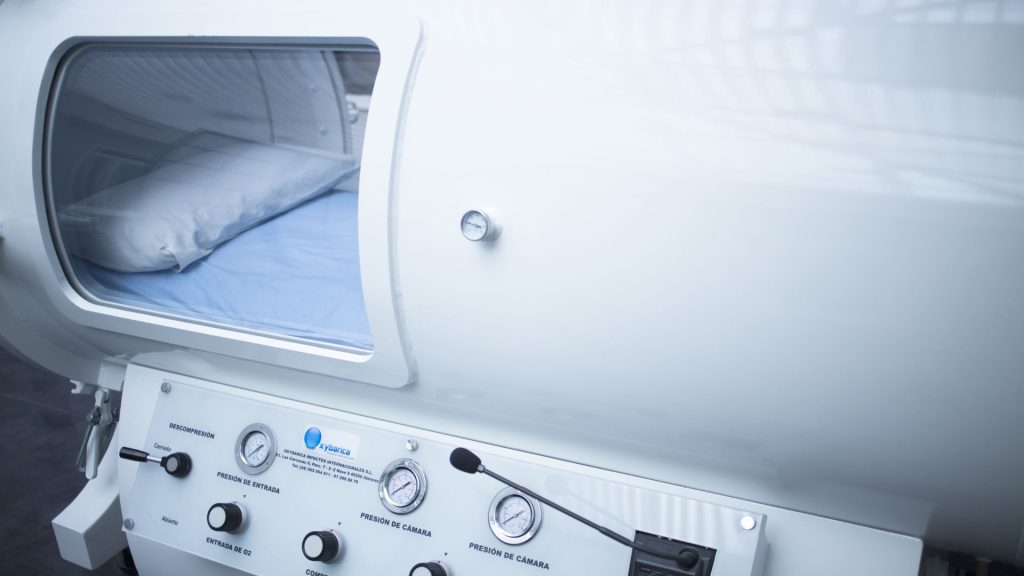
Understanding how hyperbaric chambers function helps wellness providers make informed decisions about incorporating oxygen-based modalities into their services. These systems rely on well-established physical and biological principles that influence how oxygen behaves within the body.
This article explains what happens inside a hyperbaric chamber, how pressure affects delivery at the cellular level, and why this process matters in wellness-focused environments.
The Role of Oxygen in Human Physiology
Oxygen (O₂) plays a central role in cellular metabolism. Every organ system depends on a steady supply to produce energy through aerobic processes. Under normal conditions, oxygen enters the lungs, binds to hemoglobin in red blood cells, and moves through the bloodstream to tissues. This process works efficiently at sea level, yet it remains limited by ambient pressure and the amount of gas that can dissolve into circulating fluids.
When availability increases under pressurized conditions, O₂ dissolves more readily into plasma and other fluids beyond red blood cell transport alone. This expanded distribution allows cells to access the resources needed for energy production in areas where circulation may be reduced. These physiological responses form the scientific basis for wellness technologies that rely on pressure rather than medication to influence how oxygen functions inside the body.
What Happens Inside a Hyperbaric Chamber
A hyperbaric chamber is a fully enclosed, airtight space designed to increase air pressure above normal atmospheric levels safely. As pressure rises, the air inside does not change in composition. Instead, the increased pressure raises the partial pressure of oxygen, which allows the lungs to take in more O₂ with each breath due to a stronger pressure gradient across lung tissue.
Under elevated pressure, O₂ dissolves directly into blood plasma and other circulating fluids rather than depending solely on red blood cells for transport. This process increases the amount of O₂ available to reach tissues, including areas where circulation is limited during normal breathing.
The Hyper-Cube hyperbaric therapy system we have developed at Innergy Dev is designed and manufactured with precise pressure settings and controlled timeframes, enabling consistent and predictable use within professional wellness and clinical environments.
Pressure, Gas Laws, and Oxygen Absorption
The science behind hyperbaric chambers connects closely to basic gas laws. As pressure increases, gas volume decreases while gas solubility in the liquid increases. This principle explains why O₂ dissolves more efficiently in bodily fluids under pressurized conditions.
Inside a chamber, increased pressure compresses air molecules, raising overall gas density. Each breath delivers more usable oxygen at the cellular level as diffusion increases across lung membranes. This mechanism does not rely on pharmaceutical intervention and depends on physical forces that govern gas exchange.
For wellness providers, this distinction matters. Hyperbaric systems operate through mechanical principles that remain consistent across sessions. Predictable pressure levels allow for standardized protocols aligned with non-clinical wellness applications.
Mild Hyperbaric Therapy vs Medical Hyperbaric Treatment
Not all hyperbaric chambers operate under the same conditions. Medical hyperbaric oxygen therapy often involves high-pressure systems using pure O₂. These functions are performed in hospital settings and require clinical oversight.
Mild hyperbaric therapy systems operate at lower pressure ranges and typically use ambient air. These systems focus on wellness and recovery experiences rather than medical intervention. The lower pressure profile reduces operational complexity while still influencing O₂ availability within the body.
Understanding this difference helps wellness business and med spa owners select equipment aligned with their scope of practice. Mild hyperbaric chambers fit naturally into med spas, recovery studios, and integrative wellness centers seeking non-invasive technology.
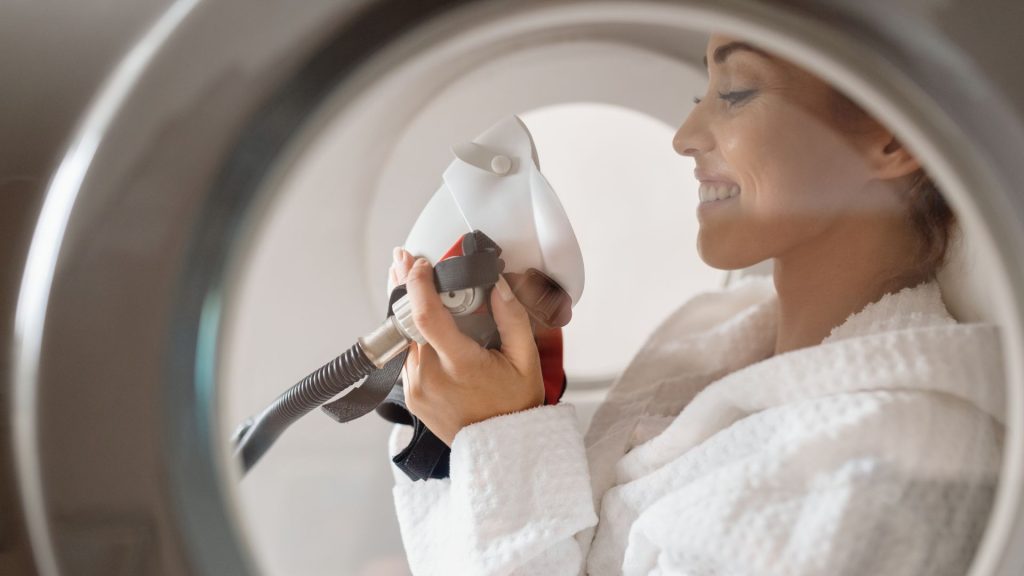
Biological Responses to Increased Oxygen Availability
When O₂ levels rise within tissues, several biological processes respond. Cells rely on O₂ to generate adenosine triphosphate, the molecule responsible for energy transfer. Increased availability enhances this process, allowing cells to operate more efficiently.
Oxygen-rich environments also influence circulation dynamics. Blood plasma carrying dissolved O₂ reaches capillary networks throughout the body. This can affect muscle recovery, cognitive alertness, and perceived energy levels reported after sessions.
Another response involves oxidative balance. While oxygen plays a vital role in cellular function, controlled delivery under measured pressure maintains balance within physiological systems. Chamber protocols account for session duration and pressure levels to align with wellness objectives.
Operational Considerations for Wellness Providers
For wellness business owners planning to buy a hyperbaric chamber, understanding its mechanics extends beyond biology. Equipment reliability, pressure regulation, and session consistency matter for client experience. Hyperbaric systems designed for professional settings prioritize quiet operation, predictable pressurization, and comfortable interiors.
Workflow integration also plays a role, as sessions typically last 60-90 minutes and fit within scheduled wellness services. Chambers that rely on ambient air remove the need for oxygen tanks, simplifying installation and ongoing maintenance.
Education remains part of the provider role. Explaining how pressure influences oxygen delivery builds trust and sets clear expectations. Clear communication reinforces the scientific foundation behind the experience rather than vague claims.
Final Thoughts from Innergy Dev
Hyperbaric chambers rely on established physical laws and biological responses to increase oxygen availability throughout the body. Pressurized environments allow oxygen to dissolve into bodily fluids more efficiently, which influences cellular energy production and circulation. Understanding this mechanism helps wellness providers evaluate how these technologies function within non-medical settings.
At Innergy Dev, we design and manufacture hyperbaric systems for professional wellness environments. Our approach centers on equipment built for reliability, operational efficiency, and real-world use in medical spas and integrative centers. A clear grasp of the underlying physiology allows providers to deliver informed experiences rooted in measurable processes rather than speculation.