
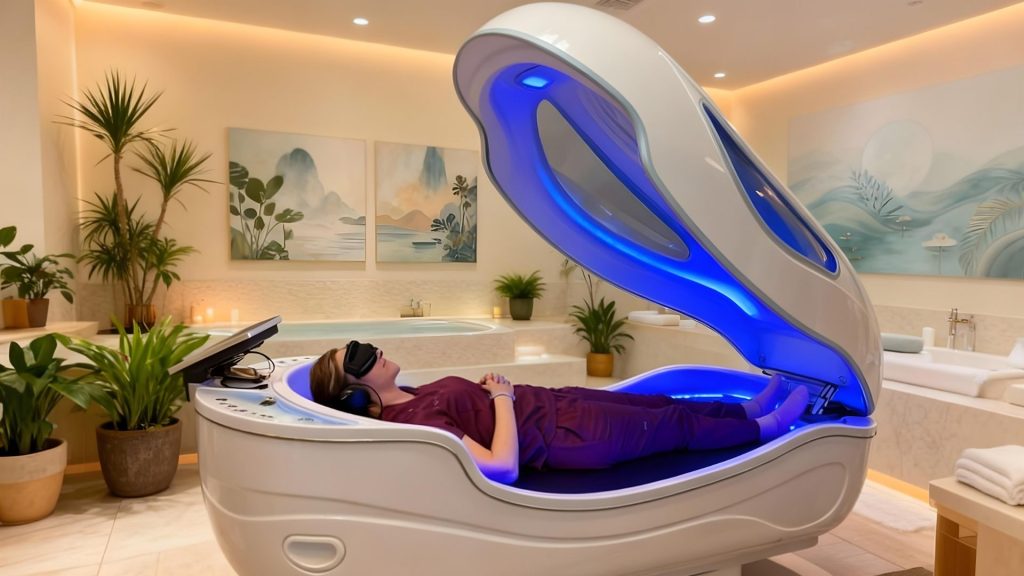
Theta Chamber sessions are emerging as a premium, neuroscience-informed modality for deep relaxation, stress relief, and cognitive optimization in wellness centers and med spas. As more owners consider adding this technology, strategic pricing becomes essential for recouping the investment and driving profit.
In this article, the focus is on realistic per-session price ranges, key factors that influence what you can charge, and how to structure offers that appeal to clients while supporting a healthy return.
What Is a Theta Chamber Session?
A Theta Chamber session involves reclining in a pod-like device that uses a combination of light patterns, sound frequencies, vestibular (gentle motion) stimulation, and brainwave entrainment to guide the brain into a theta-dominant state associated with deep relaxation and heightened neuroplasticity. These typically last 15–30 minutes in many centers, though some facilities schedule 45–60 minutes, including intake and integration time. Clients often report profound stress reduction, improved mental clarity, emotional release, better sleep, and support for behavior change or addiction recovery, which supports premium positioning.
Market Pricing Benchmarks
Across wellness centers using Theta Chamber or similar “theta pod” technology, pricing commonly ranges from about 70 dollars on the low end to around 275 dollars on the high end, depending on market and positioning. Single-session rates in mid-tier markets often fall in the 100–175 range, while luxury or highly specialized centers command higher fees. Packages are widely used. For example, sets of ten aimed at brain reset or addiction support may be priced around 2,500 dollars, bringing the per-session rate near or slightly lower than 275 dollars while framing the value around a full program instead of a single visit. This mix of à la carte and package pricing gives flexibility to meet different budgets and goals.
Factors Influencing Pricing
Several levers determine how much you can reasonably charge. Location is one of the biggest: urban, affluent markets with higher operating costs and higher disposable income can typically support higher fees than small-town or rural areas. Your overall positioning, a premium neuro-wellness clinic versus a general spa add-on, also affects perceived value. The depth of service around the session matters too. If you provide assessments, coaching, or integration before and after the Theta Chamber experience, you can justify higher pricing than a simple “machine-only” appointment. Finally, your client base and their primary goals (e.g., trauma recovery, addiction reset, peak performance, or general relaxation) influence willingness to pay for more intensive multi-session protocols.
Competitive Analysis and Positioning
Understanding what local competitors charge for similar or adjacent services, such as float tanks, neurofeedback, hyperbaric oxygen, or other advanced wellness technologies, helps you position your pricing strategically. If you emphasize outcomes like enhanced cognitive function, accelerated emotional processing, or structured addiction-reset protocols backed by a clear, guided plan, you can lean into value-based pricing instead of racing to the bottom on rates. Introductory specials, founding-member rates, and integration into existing memberships can gently introduce clients to the Theta Chamber while still anchoring your standard single-session price at a premium tier.
Cost Structure Breakdown
Theta Chambers are a substantial capital investment, with base device costs commonly around 80,000 dollars and total system costs often quoted in the 80,000–90,000 dollar range, depending on configuration and features. This upfront expense, plus installation, space build-out, and any software or maintenance, forms the core of your fixed costs. Variable costs per center visit, staff supervision time, utilities, cleaning, marketing, and booking infrastructure are comparatively modest, which means that once installed, each booked session contributes significantly to recouping the investment. Many wellness centers aim for strong margins on advanced wellness devices, so pricing is often set to exceed a 60 percent profit margin after operating costs are comfortably covered.

Pricing Strategies and Models
With the economics in mind, many operators adopt a tiered model: a standard session at a mid-range rate, and premium experiences that layer in coaching, assessments, or bundled modalities at a higher upfront price point, but may come out at a lower rate when broken down individually. Membership or subscription models that include a set number of visits per month can smooth revenue and increase usage, while “intensive” programs, such as 28-day protocols with two sessions per day, command program-level pricing that highlights transformational outcomes instead of per-visit cost. Corporate wellness agreements, performance-coaching packages, or partnerships with influencers or mental health professionals can further diversify revenue by selling access in bulk or as part of integrated care plans.
Legal and Ethical Considerations
When setting and marketing your prices, it is critical to stay within ethical and regulatory boundaries. Avoid making unsubstantiated medical claims about curing specific conditions, and instead focus on support for relaxation, stress management, or wellness unless you have appropriate clinical partnerships and evidence. Clear informed-consent documents, transparent explanations of what clients can expect, and honest communication about results protect both clients and your brand. Pricing should be consistent and non-discriminatory, with any discounts or scholarships structured and documented.
Implementation Tips for Maximum Revenue
To translate pricing decisions into real revenue, test different offers, and track uptake and retention. Client testimonials, before-and-after self-assessments, and clear explanations of the science behind theta states all increase perceived value and make premium pricing easier to sustain. Training staff to confidently explain why a 15–30 minute session is priced comparably to or higher than a longer massage or facial is key. As time goes by, monitor which packages sell best, what price points trigger resistance, and how bundling with other advanced technologies changes your average revenue per client.
Final Thoughts from INNERGY Dev
In practice, many centers find that charging roughly 100–200 dollars per Theta Chamber use, with room to scale higher for specialized protocols and premium markets, strikes a practical balance between accessibility and healthy margins. By considering your local market, cost structure, positioning, and the depth of service wrapped around each visit, you can confidently set prices that honor the sophistication of the technology while remaining attractive to your ideal clients.
We at INNERGY Dev are dedicated to helping wellness centers and med spas turn such advanced technologies into high-value, revenue-generating services that clients truly appreciate. Our mission is to provide science-backed, professional-grade devices that deliver visible, measurable results, making it easier for you to justify premium pricing and build strong client loyalty.