
Hydrogen inhalation therapy is gaining recognition among wellness professionals for its potential to support recovery, reduce oxidative stress, and promote better energy levels. For wellness business owners, determining how to price sessions effectively can make the difference between a profitable service and an underperforming one.
This article examines the process of establishing fair yet profitable pricing for hydrogen inhalation therapy sessions, striking a balance between client accessibility and business sustainability.
Understanding the Value of Hydrogen Inhalation Therapy
Hydrogen inhalation therapy provides measurable benefits when integrated into wellness programs. It is associated with reduced oxidative stress, improved cellular recovery, and enhanced energy. When positioned correctly, it appeals to clients seeking premium wellness experiences that contribute to their long-term well-being.
Before setting a price point, it’s essential to understand the value hydrogen therapy delivers. Clients are not only paying for the duration of a session but also for the technology, expertise, and wellness benefits involved. The perceived value of the sessions often depends on how they are presented, whether as a relaxation service, recovery support, or part of a broader wellness program. A clear explanation of its benefits, supported by credible information, can help clients appreciate its worth and justify its cost.
Evaluating Your Operational Costs
To establish profitable yet fair pricing, every business must assess operational costs. These include machine investment, maintenance, consumables such as distilled water, and staff training. Understanding fixed and variable expenses helps identify the minimum rate needed to maintain profitability.
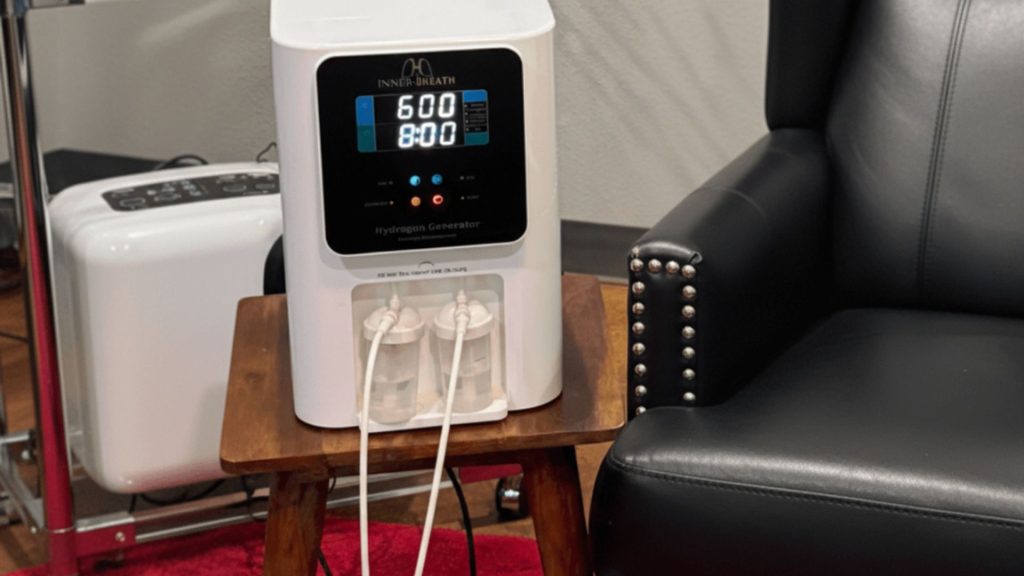
For instance, the professional-grade INNER Breath Hydrogen inhalation machine we manufactured at Innegy Dev is built for durability and minimal upkeep, helping wellness centers reduce ongoing operational costs. Depending on specifications and market factors, similar systems can range between $7,000 and $18,000, making it important for wellness businesses to assess potential return on investment. Estimating potential income per session and determining the number of sessions required to recoup the initial cost supports financial stability.
Researching Market Rates and Client Expectations
A competitive price must align with local market standards and customer expectations. Start by researching nearby wellness centers that offer hydrogen therapy or comparable recovery treatments, such as oxygen or red light therapy. Many centers charge between $40 and $85 per session, depending on session length, service quality, and facility reputation.
Assessing your target market helps determine how much your clients are willing to pay. Wellness centers located in urban areas or luxury settings can often command higher rates due to clientele demographics and perceived exclusivity. Rural or smaller markets may need more accessible pricing to encourage trial and repeat visits.
Creating Flexible Pricing Options
Offering multiple payment options can attract a diverse range of clients while maintaining profitability. Package deals, memberships, and introductory promotions can increase long-term engagement. For example, single-session rates can remain at a premium while packaged treatments sold at special discounted prices encourage repeat visits, leading to steady revenue.
Session length also plays a role in overall earnings, as shorter 15- to 30-minute sessions allow for higher client turnover, while 60-minute appointments provide deeper recovery experiences. Balancing these session types ensures your pricing model remains accessible and profitable.

Communicating Value Transparently
Transparent communication fosters trust and enables clients to understand what they are paying for. Wellness providers should clearly explain what the therapy involves, how it supports recovery, and why it is priced at a particular rate. Highlight the professional quality of the equipment, the safety standards followed, and the personalized experience offered during each session.
Staff should be well-trained to discuss session details confidently and educate clients about the process. This informative approach enhances credibility, enabling clients to view the service as a worthwhile investment rather than a cost-driven decision.
Maximizing Profit Without Compromising Integrity
Profitability depends on striking a balance between business goals and client satisfaction. Focus on consistent quality and comfort instead of raising rates beyond market value. Investing in consistent maintenance, safe operation, and client comfort ensures repeat business and positive referrals. Introducing complementary services, such as hydration therapy or massage pairings, can also increase the average spend per client without altering the base session rates.
Tracking client feedback and monitoring occupancy rates will help determine if your current strategy meets both market expectations and financial goals. Adjust rates strategically rather than reactively, ensuring data and experience support changes.
Final Thoughts from Innergy Dev
Setting profitable yet fair rates for hydrogen inhalation therapy requires understanding your costs, knowing your audience, and communicating value effectively. A well-balanced pricing model attracts loyal clients while supporting long-term business growth.
At Innergy Dev, we support wellness professionals with reliable and advanced technologies, such as the Hydrogen inhalation system. Our professional-grade equipment is designed for consistency, safety, and ease of integration into wellness operations. We provide the tools and insights needed to help centers deliver premium wellness experiences that enhance client outcomes and business success.