
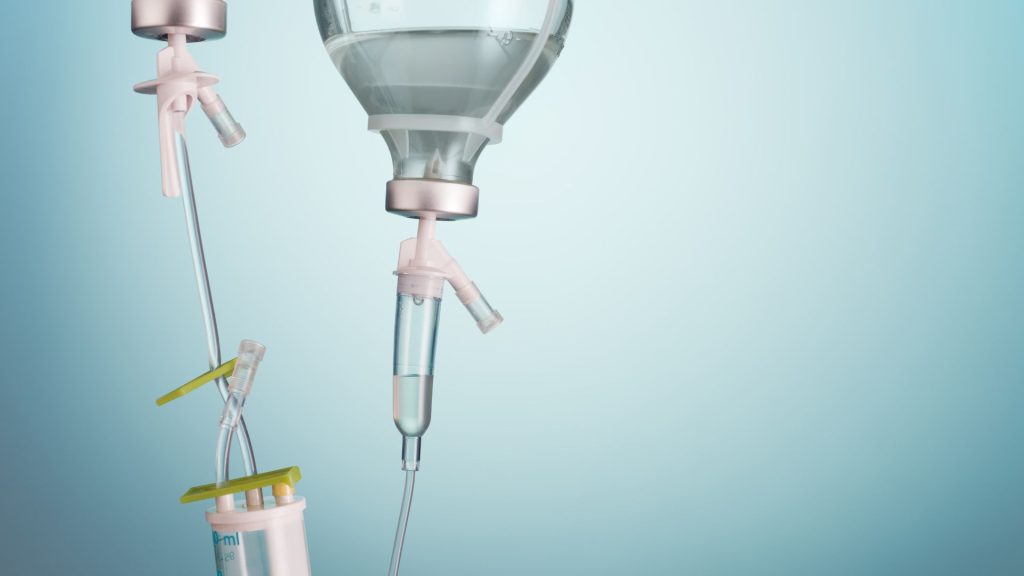
Precise infusion rate calculations are crucial for ensuring patient safety and achieving optimal treatment outcomes in both clinical and wellness settings. Whether you manage a medical spa or a wellness clinic, understanding how to measure and control intravenous fluid delivery helps prevent errors and ensure consistent outcomes.
This guide explains the basic concepts, formulas, and practical tips for managing IV therapy effectively, without overcomplicating the process.
Understanding Why Accurate Infusion Calculations Matter
In wellness and medical spa environments, IV therapy often involves nutrients and supplements that must enter the bloodstream at a consistent flow for optimal absorption. Delivering fluids too quickly can cause discomfort, while a slower rate may lessen effectiveness. Proper flow management helps prevent possible complications such as vein irritation, dizziness, or fluid overload, ensuring clients receive the intended therapeutic benefits safely.
Accurate infusion calculations also play a vital role in operational efficiency, as when practitioners calculate flow rates precisely, it allows for better time management during sessions, prevents overuse of costly IV ingredients, and minimizes product waste. Consistency in calculations ensures that every client receives the same standard of care, regardless of which practitioner performs the treatment. For wellness businesses offering intravenous therapies, precision in flow control not only upholds professional standards but also strengthens client confidence and supports reliable, positive treatment outcomes.
Key Factors That Affect Infusion Calculations
- Solution Volume: This refers to the total volume of fluid prescribed for a single session, measured in milliliters. Common amounts range from 250 mL to 1,000 mL, depending on the formulation and purpose. The larger the volume, the longer the session will take when using a standard drip or pump system.
- Prescribed Duration: Each session has a set timeframe, typically ranging from 30 minutes to two hours. This ensures nutrients are absorbed effectively and the client remains comfortable throughout treatment.
- Equipment Type: Manual drip setups rely on gravity and drop factor calibration, while IV pumps deliver fluid electronically. The calculation method differs slightly depending on the device, so it’s essential to know the drop factor (drops per mL) for manual drips or confirm the pump’s programmed flow in mL/hour.
- Patient or Client Condition: Hydration level, vein size, and overall comfort can influence flow rate. Practitioners must monitor the client closely to prevent swelling, irritation, or discomfort during treatment.
Step-by-Step Process for Manual Drip Rate Calculation
When using a manual drip system, the infusion rate is calculated based on three main values: total volume, time, and drop factor. The general formula is:
Drip Rate (gtt/min) = (Volume in ml × Drop Factor) ÷ Infusion Time (in minutes)
For example, if a 500 mL vitamin therapy is administered over 60 minutes using a set with a drop factor of 20, the calculation is: (500 × 20) ÷ 60 = 166 drops per minute.
This means the practitioner should regulate the flow to deliver approximately 166 drops each minute. Using a timer and monitoring the drip chamber regularly helps maintain consistency.
Maintaining awareness during the process is crucial. Even slight movements of the IV bag or changes in room temperature can influence the flow. Practitioners often perform a quick visual check every few minutes to confirm that the frequency of the drops remains steady.
Calculating Flow Using an Infusion Pump
Electronic pumps simplify the process by automating the flow rate. Instead of counting drops, practitioners set the rate directly in milliliters per hour. The calculation formula for pump systems is:
Infusion Rate (mL/hr) = Total Volume (mL) / Time (hours)

Using the previous example of 500 mL over one hour, the calculation is 500 mL ÷ 1 hour = 500 mL/hour.
For a longer session, such as 1,000 mL over two hours, the computation is 1,000 mL ÷ 2 hours = 500 mL/hour, showing that the flow remains consistent when volume and time are proportional.
The advantage of electronic pumps lies in their consistency and reduced risk of human error. They’re ideal for med spas or wellness centers that handle multiple simultaneous treatments. Regular equipment maintenance, calibration, and ongoing staff competency evaluations are still essential to ensure accurate operation and client safety.
Tips for Maintaining Accurate Infusion Control
Consistency in calculations and the use of equipment is key to maintaining safe IV treatments. Follow these best practices to improve accuracy:
- Use calibrated equipment: Regular maintenance ensures that IV pumps and tubing deliver fluids correctly. Always check calibration results before use to prevent irregular flow or inconsistent dosing.
- Record all parameters: Keep detailed logs of treatment duration, total volume, and flow pace to maintain accountability and traceability. These records help identify patterns and ensure each client’s session meets quality standards.
- Train and license staff properly: IV therapy should only be performed by licensed professionals who are fully trained in both manual and automated delivery methods. Ensure your team completes ongoing education and regular refresher courses to maintain skill accuracy and uphold safety standards.
- Monitor during administration: Observe fluid flow, client comfort, and any device alerts throughout each session. Continuous observation allows a quick response to any irregularities or client concerns.
- Implement quality assurance checks: Apply a double-verification process for every treatment to catch potential discrepancies early. Regular audits reinforce a culture of safety and consistent client care.
Medical spas and wellness centers that follow precise procedures and use reliable, advanced wellness equipment, combined with continuous professional learning, ensure accuracy and deliver consistently high-quality care.
Final Thoughts from Innergy Dev
Understanding and mastering IV infusion rate calculations is fundamental for any professional administering infusion-based treatments. Precision safeguards both the provider and the client, ensuring consistent, effective, and safe therapy outcomes.
At Innergy Dev, our commitment to accuracy extends to developing reliable technology and advanced equipment that supports practitioners in delivering consistent results. Our devices are designed to promote both efficiency and client safety, empowering wellness providers to perform treatments with confidence and precision.