
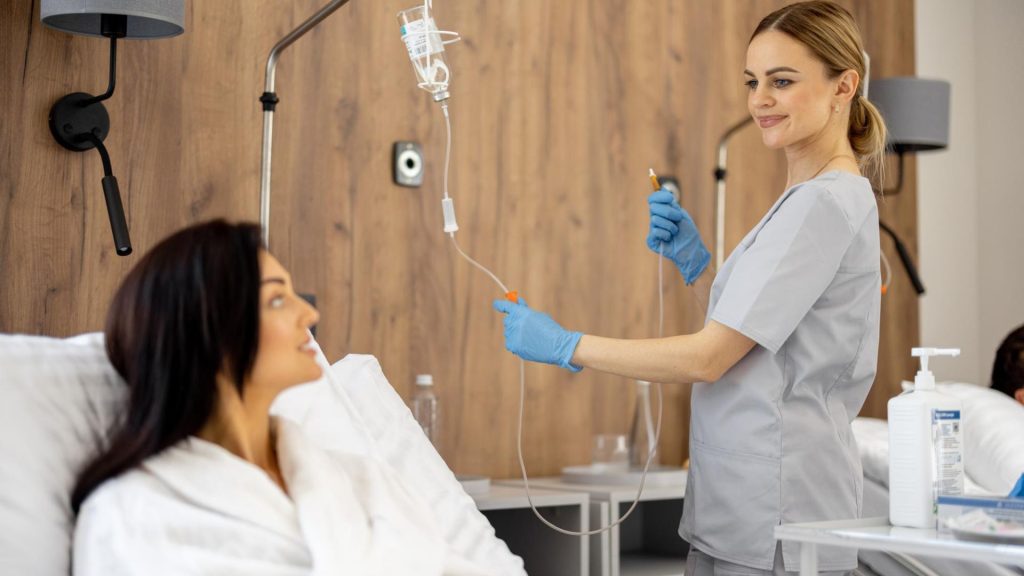
Intravenous (IV) therapy has become a cornerstone of modern wellness care, offering a quick and effective way to deliver vitamins, minerals, and hydration directly into the bloodstream. From boosting immunity to aiding post-recovery, this service is now common in medical spas and wellness centers. Yet, like any procedure involving intravenous administration, it comes with certain risks.
This article examines the most common complication of IV therapy, its causes, and how providers can minimize the risk while ensuring client safety and satisfaction.
Understanding IV Therapy and Its Purpose
IV therapy involves the infusion of fluids, nutrients, or medications directly into a vein through a catheter. This allows for faster absorption and more predictable results compared to oral supplements. Wellness providers utilize intravenous infusions to address dehydration, fatigue, nutrient deficiencies, and provide recovery support following athletic performance or illness. While its benefits are well-documented, understanding its safety parameters is essential for every practitioner offering it in a professional setting.
The procedure may appear simple, but precision, proper technique, and hygiene are crucial. Even minor errors in needle insertion, fluid administration, or equipment sterilization can lead to complications that compromise both the client’s experience and the provider’s reputation.
The Most Common Complication: Infiltration
Among all potential issues, infiltration stands out as the leading cause of discomfort in intravenous therapy. It occurs when the infused fluid or medication unintentionally leaks into the surrounding tissue instead of entering the vein. This typically results from improper catheter placement, movement during the session, or vein fragility. The leaked solution can cause swelling, discomfort, and coolness at the infusion site.
Mild infiltration often resolves with immediate removal of the catheter and application of a warm compress, but more severe cases may lead to tissue irritation or inflammation. The risk increases if the patient’s veins are small, fragile, or difficult to locate, a common scenario in dehydrated individuals or older adults.
Recognizing Early Warning Signs
Timely identification is crucial in preventing infiltration from escalating, as practitioners should monitor for early symptoms, such as swelling, redness, and a sudden decrease in fluid flow. Clients may also report a stinging or burning sensation at the insertion point. If left unaddressed, the affected area may become pale or firm due to fluid accumulation beneath the skin.
Wellness centers and medical spas rely on trained, licensed staff to identify early warning signs promptly. Vigilant observation during the infusion process allows for immediate intervention, reducing discomfort and preventing complications that could deter clients from future treatments.
Preventive Measures for Safe Administration
Preventing complications in IV therapy begins with selecting the proper site, ensuring secure catheter placement, and maintaining continuous monitoring throughout the infusion. Providers should ensure the insertion site is visible during the session to observe any changes in skin color or swelling. Using transparent dressings can facilitate easier monitoring while maintaining sterility.
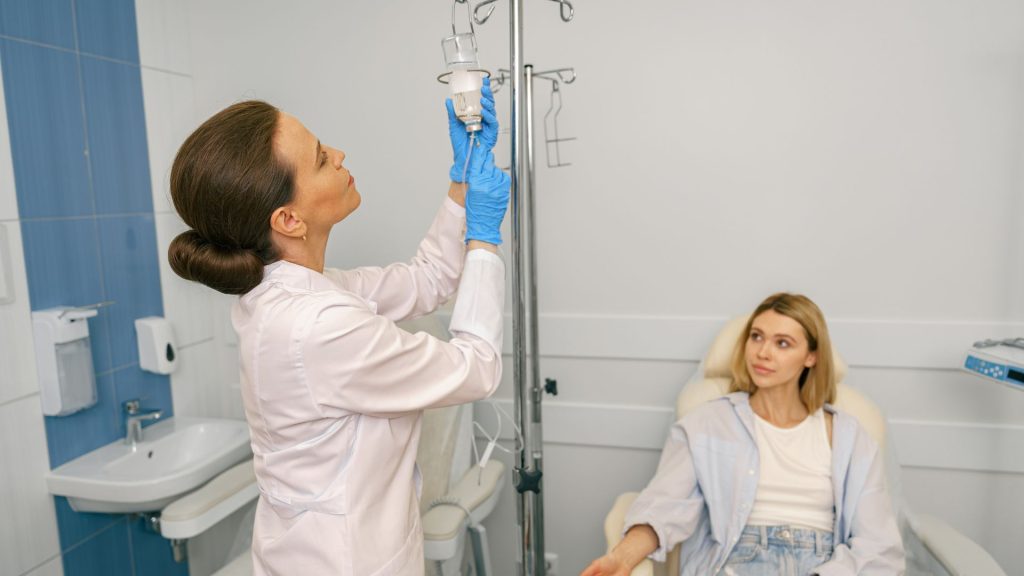
Staff education plays a major role in IV administration, as practitioners must be trained to perform venipuncture correctly and identify high-risk clients, such as those with delicate veins or pre-existing vascular issues. Regular refresher courses help maintain competency and align with best practices in clinical care.
Another preventive strategy is ensuring that IV solutions are administered at an appropriate rate. Rapid infusion can stress the vein, increasing the likelihood of infiltration or irritation. Using an infusion pump can help regulate flow and ensure consistent delivery.
Other Possible Complications to Be Aware Of
- Phlebitis: Inflammation of the vein wall caused by mechanical irritation or chemical reaction to the infused solution. The area may feel warm, tender, or appear red.
- Air Embolism: A rare but serious condition that occurs when air enters the bloodstream through the IV line. Proper priming of tubing prevents this from happening.
- Infection: Poor sanitation or re-use of materials can lead to infection at the insertion site. Maintaining aseptic technique and using sterile, single-use equipment significantly reduces the risk.
- Extravasation: Similar to infiltration but more severe, this happens when a medication known to irritate tissue leaks into surrounding areas, potentially causing burns or necrosis.
Each of these complications underscores the importance of proper training, quality equipment, and adherence to safety standards in any wellness program. Maintaining detailed records for each client, including infusion type, duration, and any noted reactions, helps track safety performance and informs future procedures.
Ensuring Client Confidence and Comfort
Clients undergoing IV infusions should feel informed and reassured throughout their session. Educating them about the procedure, potential risks, and signs to watch for fosters transparency and builds trust. Encourage clients to report any unusual sensations immediately rather than waiting until discomfort intensifies.
For new practitioners, developing clear post-infusion protocols can enhance the client experience. Follow-up communication, such as a courtesy message checking for side effects, demonstrates professionalism and reinforces your commitment to safety. Using high-quality med spa equipment can further enhance client comfort and trust. When clients experience attentive care supported by reliable tools and consistent follow-up, they’re more likely to feel confident and continue their wellness journey with ease.
Final Thoughts from Innergy Dev
The most common complication of IV therapy, infiltration, is largely preventable with proper training, vigilance, and adherence to safety protocols. Recognizing early warning signs and maintaining consistent monitoring can ensure both client safety and a positive outcome.
At Innergy Dev, we manufacture advanced wellness technologies that support professional wellness providers in delivering safe, effective, and innovative solutions. Our systems are designed to enhance client care and promote operational excellence in medical spa centers, helping you build trust and elevate your service quality.