
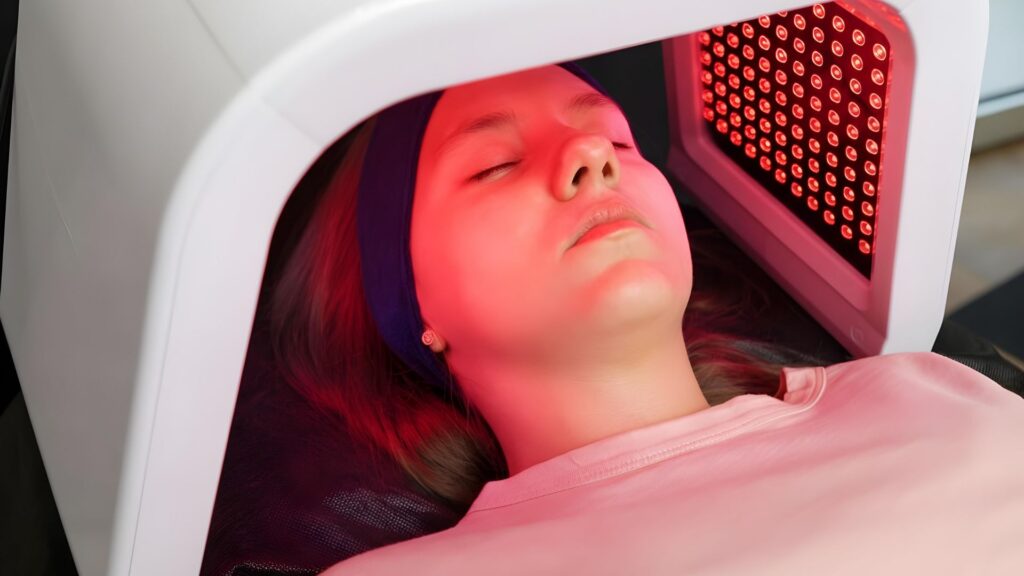
Expanding your wellness offerings can help your business stand out in a competitive market, and adding red light therapy (RLT) is one of the most strategic ways to do it. As more people seek non-invasive wellness treatments that promote recovery, anti-aging, and cellular health, the demand for this technology continues to grow.
This article explores the financial aspects of integrating red light therapy into your service menu, from investment costs to long-term returns.
Understanding the Value of Red Light Therapy
Red light therapy, also referred to as photobiomodulation (PBM), uses low-level wavelengths of light, typically in the red and near-infrared spectrum, to stimulate cellular energy production and boost blood flow. These wavelengths penetrate deep into the skin and muscle tissue, promoting cell repair, reducing oxidative stress, and supporting collagen synthesis. The result is enhanced recovery, reduced inflammation, and improved skin appearance, benefits that appeal to both health-conscious and beauty-focused individuals.
Offering RLT would be a smart business move because it’s non-invasive, attracting a broad range of customers seeking alternatives to surgery. Treatments are fast, safe, and require minimal hands-on time from staff, allowing businesses to serve more customers efficiently. This combination of effectiveness and operational simplicity makes it one of the most scalable services in the modern wellness landscape.
Choosing a high-performance red light therapy device from a trusted, advanced provider like Innergy Dev ensures lasting quality and consistent outcomes. We provide equipment that blends innovation with usability, helping businesses deliver better results. Staff can confidently provide treatments, while customers enjoy a reassuring, high-quality spa experience.
Initial Costs: What to Expect When Investing
The upfront cost of a professional-grade RLT bed varies depending on quality, size, and features. Most commercial units fall within the $40,000 to $60,000 range. This may sound steep, but it’s comparable to other large-scale technologies such as cryotherapy or float tanks, with a fraction of the maintenance requirements.
When considering costs, think beyond equipment, as space allocation, electrical setup, and staff training should be factored in. The good news is that once installed, the ongoing expenses are minimal. Unlike consumable-based treatments, RLT doesn’t require regular product restocking, and maintenance is limited to occasional cleaning and safety checks. For small studios or growing med spas, this relatively low operational demand allows for quick integration without major overhead increases.
Pricing Your Sessions Strategically
How you price your service directly influences your return on investment. Most providers charge between $50 and $100 per session, depending on market rates, length of service, and overall customer experience. Membership packages can further increase profitability by encouraging repeat visits and consistent revenue.
For example, if your spa charges $80 per session and works with 15 consistent clients each month, with each completing 13 sessions, the business would earn about $15,600 monthly, or approximately $187,200 annually. With consistent marketing and membership retention, revenue could grow even higher in subsequent years as your customers themselves may market your services to their networks through word-of-mouth. This projection demonstrates how the service can quickly become a strong revenue generator. When factoring in minimal maintenance costs, a five-year equipment lifespan, and potential market growth, this model highlights how achievable ROI can be within the first year of operation.

Maximizing ROI with Smart Integration
Wellness providers who achieve the best returns understand that RLT works best as part of a broader experience rather than a standalone service. Integrating it with existing offerings, such as massage, facial rejuvenation, or athletic recovery, elevates the overall value of each session and encourages clients to book more comprehensive packages. These combined treatments address multiple wellness goals in one visit, creating a stronger perception of value and a more engaging spa experience.
To deepen interest and drive repeat visits, many providers create introductory package offers, partner with fitness studios, or bundle it with other services, creating a seamless client experience that adds value. Marketing also remains essential for ROI, and storytelling plays a major role in building trust. Showcasing before-and-after results, customer testimonials, and educational content about the science of light therapy helps potential customers see both the benefits and credibility of the service.
Operational Considerations for Long-Term Success
Once installed, maintenance and upkeep remain straightforward, as LED beds have a lifespan of tens of thousands of hours, making them dependable and efficient investments for any wellness business. Following manufacturer recommendations for cleaning and calibration helps ensure long-term performance, safety, and customer satisfaction. Regular inspections and maintenance can also prevent downtime and extend the bed’s operational life.
Staff training plays a key role in maintaining quality service, as team members should clearly communicate treatment benefits, manage expectations, and guide customers through the process to ensure consistent outcomes. Establishing a structured feedback system helps track results, identify areas for improvement, and strengthen the overall experience.
Measuring Performance and Tracking Results
To maintain profitability, spa and wellness owners should consistently monitor usage trends, total sessions, and average revenue per client. These key metrics provide valuable insight into performance and guide necessary adjustments to pricing, marketing, or scheduling strategies. Implementing loyalty programs or combining treatments through memberships can extend client lifetime value while promoting steady business growth.
Many wellness centers also notice indirect advantages, including stronger client retention and an improved reputation in their local market. When customers see visible progress and feel tangible benefits, they often share their experience with others, creating a cycle of organic referrals that drives long-term ROI.
Final Thoughts from Innergy Dev
Adding light-based wellness technology to your business isn’t just a trend, as it’s a strategic investment with tangible financial benefits. When implemented thoughtfully, it delivers consistent results, builds client trust, and supports long-term growth. The key lies in understanding the financial commitment and leveraging it as a sustainable, high-ROI service.
At Innergy Dev, we deliver wellness technology that merges innovation with practical business value. Our INNER Light LED Bed offers spa and wellness providers a dependable way to expand their service offerings while maintaining efficiency and profitability. With guided setup, ongoing support, and proven performance, we empower wellness professionals to elevate their client experience and achieve measurable success.